Scenic Railways·Elena Marsh·
Scenic Sleeper Railways 2026: Cabins, Routes and Real Fares
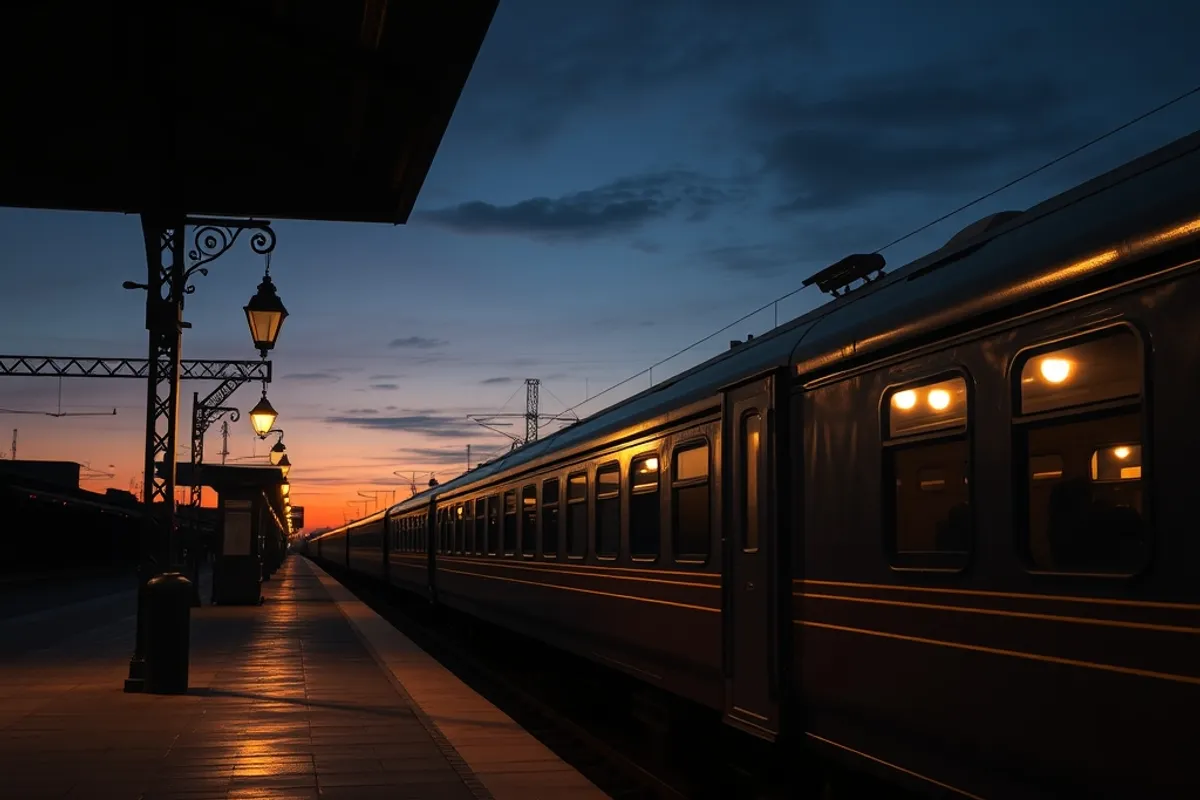
A night train saves a hotel night and can be a journey in itself. The view is often best in the morning, and the cabin decides whether you actually sleep.
Key facts
- The best views are often after sunrise, not in the dark.
- Compare total fare: ticket plus berth plus meals plus reservation fees.
- A couchette is cheaper; a private cabin is quieter and easier to sleep in.
- Check the arrival time: a 6am arrival is rough without a plan.
Is a sleeper worth it?
A sleeper is worth it if it saves a hotel night and covers a route you would not fly. It is not worth it if you are too tall for the bed, too light a sleeper for the noise or if the scenic part is all in the dark. Check the route profile: some night trains pass the mountains in the dark and the plains at dawn.
Compare the total cost to a flight plus a hotel night. Often the night train looks expensive until you do that sum, but that only holds if you value the journey itself.
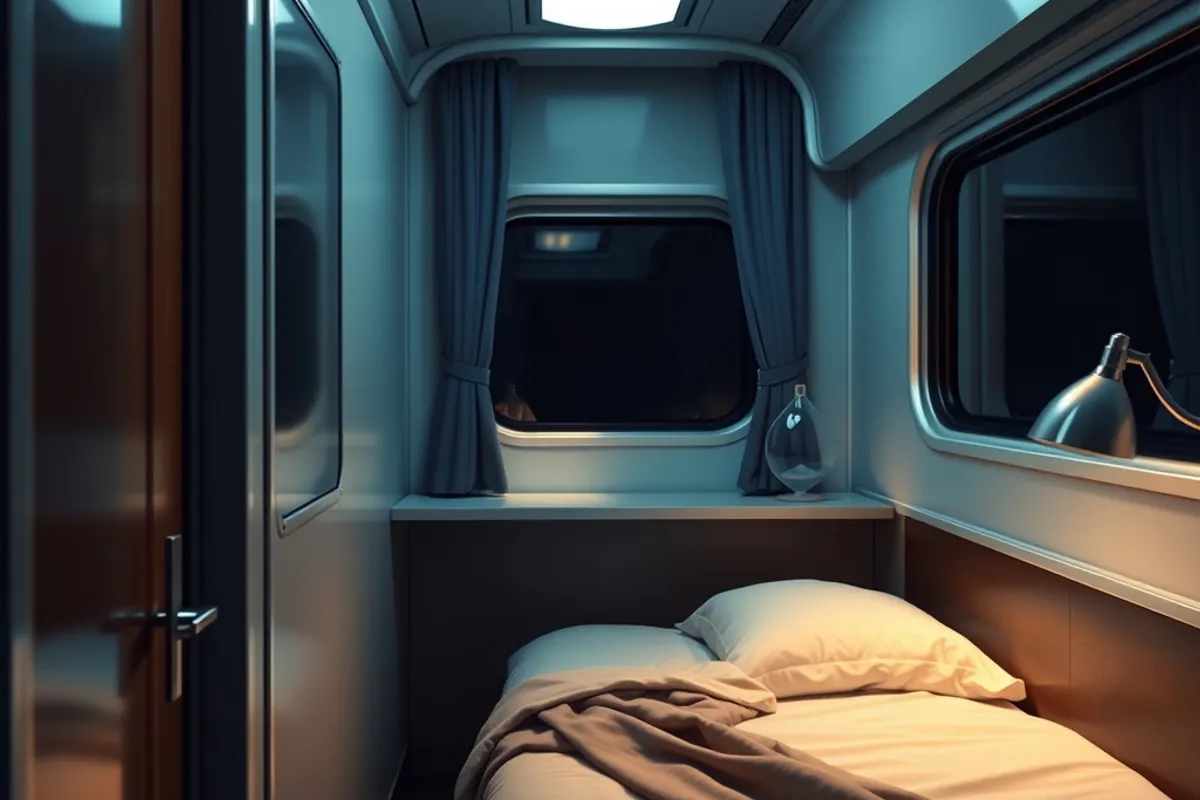
Cabins and comfort
A private cabin is quieter, more secure and easier to sleep in. A couchette is cheaper and can be social, but less private. A deluxe cabin can be worth it on a long route, but check the bed length; some are short for tall travellers.
Ask what is included: bedding, towels, breakfast, water. Some operators include breakfast in the fare, others charge extra. Check the toilet and shower situation; on older trains they may be shared.
Food and the dining car
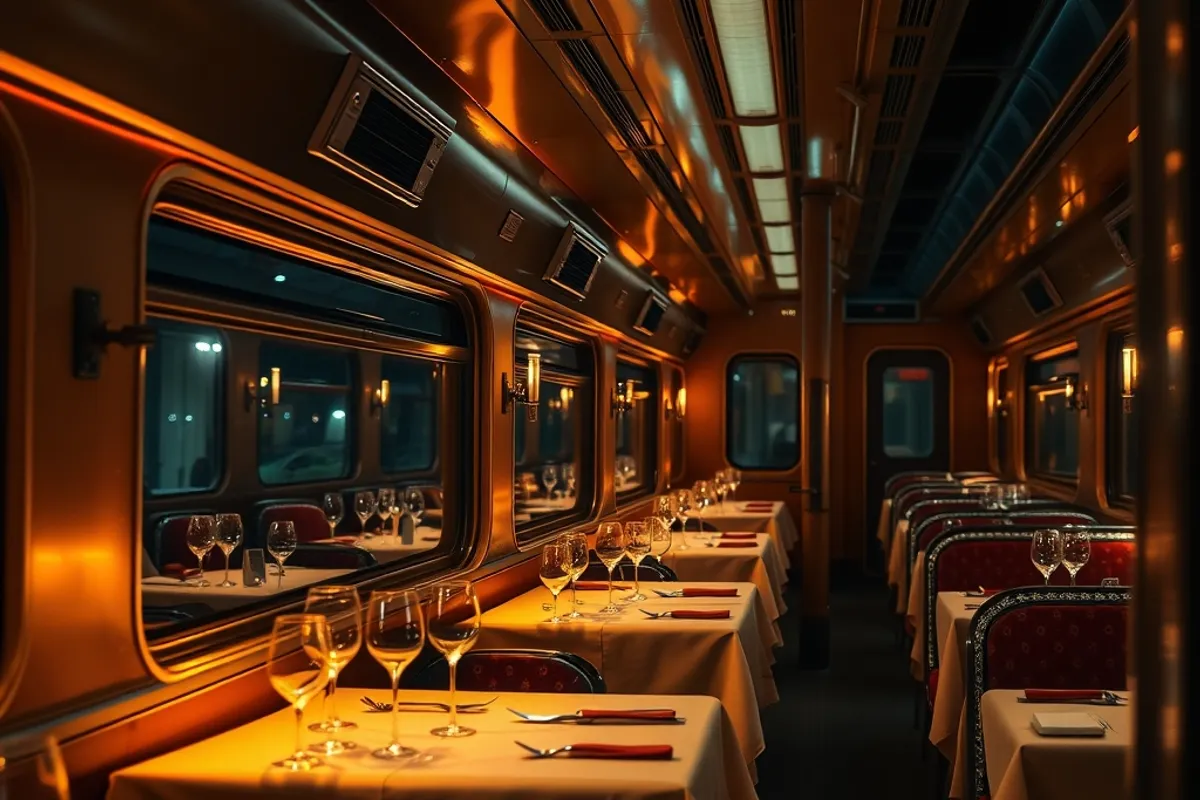
A dining car is part of the romance, but not always good value. Check whether a meal is included or whether you can bring your own. Bringing a sandwich and a bottle of water is perfectly normal on many night trains, and often better than a limited menu.
If you want to eat in the dining car, reserve a table when you book. On some popular routes it fills up.
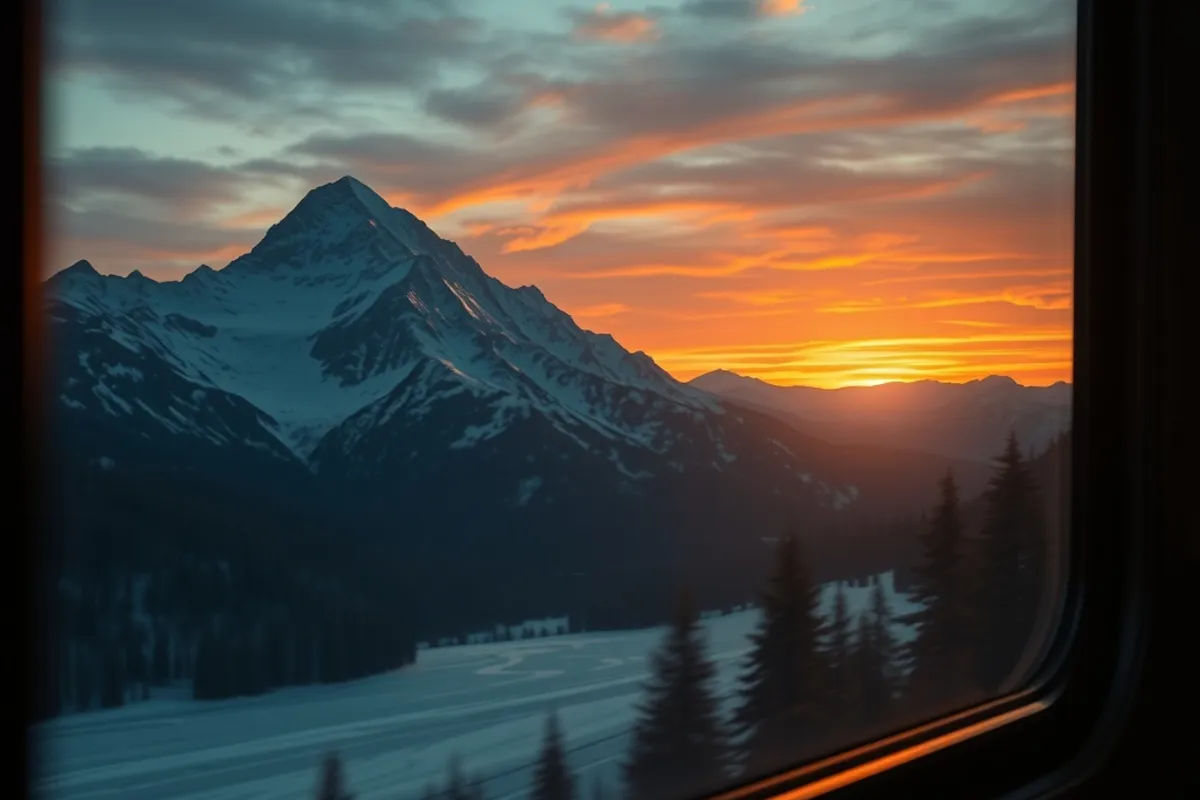
The best moment on a scenic sleeper is often standing in the corridor at sunrise with a cup of coffee, watching the mountains appear.
Timetables and arrival
Check the arrival time. A 5:30am arrival in a city with no public transport is a problem. If you arrive early, you may need a hotel for a few hours or a plan to store luggage. Some stations have left-luggage, some do not.
Also check the departure time. A late departure can mean a rushed dinner, an early one can mean a lost evening. Neither is wrong, but both affect the trip.
Booking and the real fare
Book direct from the operator if possible. Third-party sites can hide reservation fees. Compare total fare: ticket, berth, reservation, meals, supplements. Check the cancellation terms; night trains often have stricter cancellation than daytime trains.
For popular routes, book months ahead. For shoulder season, sometimes there are deals, but the scenic cabins sell first.
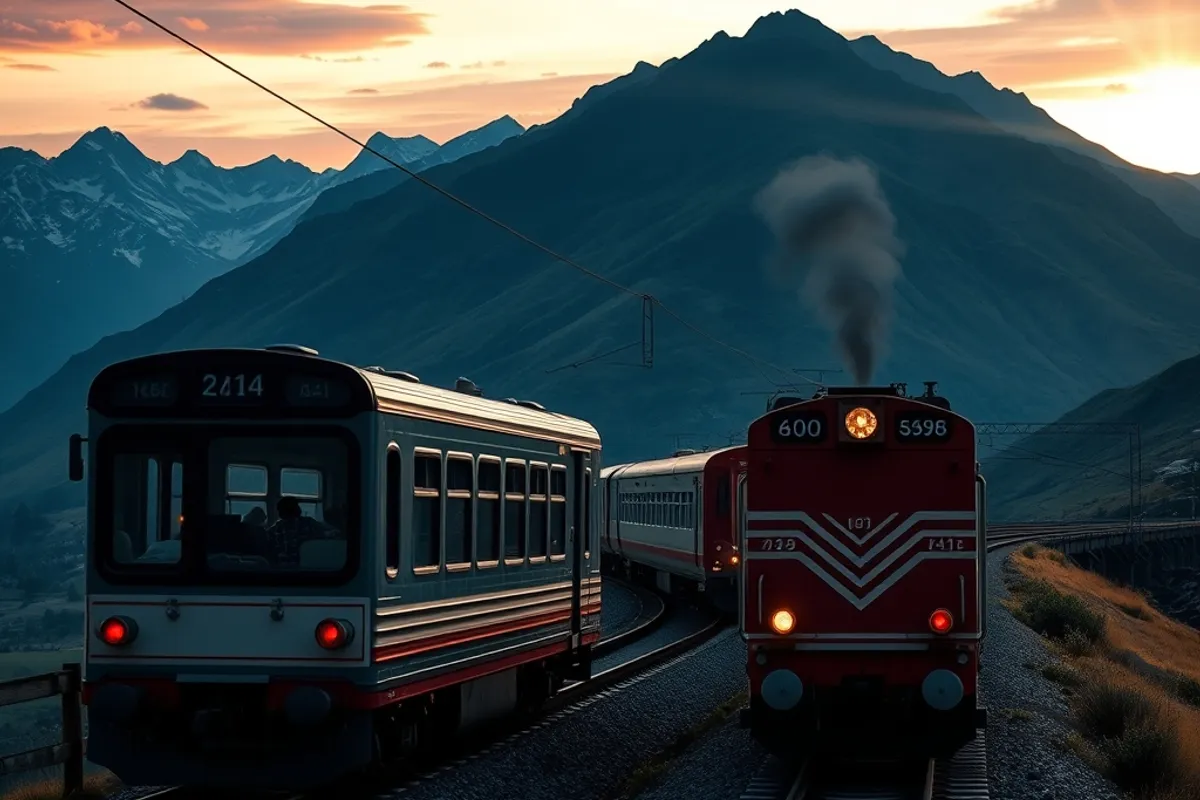
A sleeper checklist
Check if the scenic section is in daylight. Compare total fare by cabin type. Check luggage, food and arrival time. Ask about toilet/shower and whether you need earplugs. If all of that looks reasonable, a night train can be the highlight of the trip.
For daytime routes, read our scenic railway routes guide. For budgeting the whole trip, see our travel budget guide.
Written by Elena Marsh for Angila Zuhlke. Tips or corrections? Email [email protected].