Nature Retreats·Marcus Hale·
Nature Retreat Planning 2026: Off-Grid Comfort and Costs
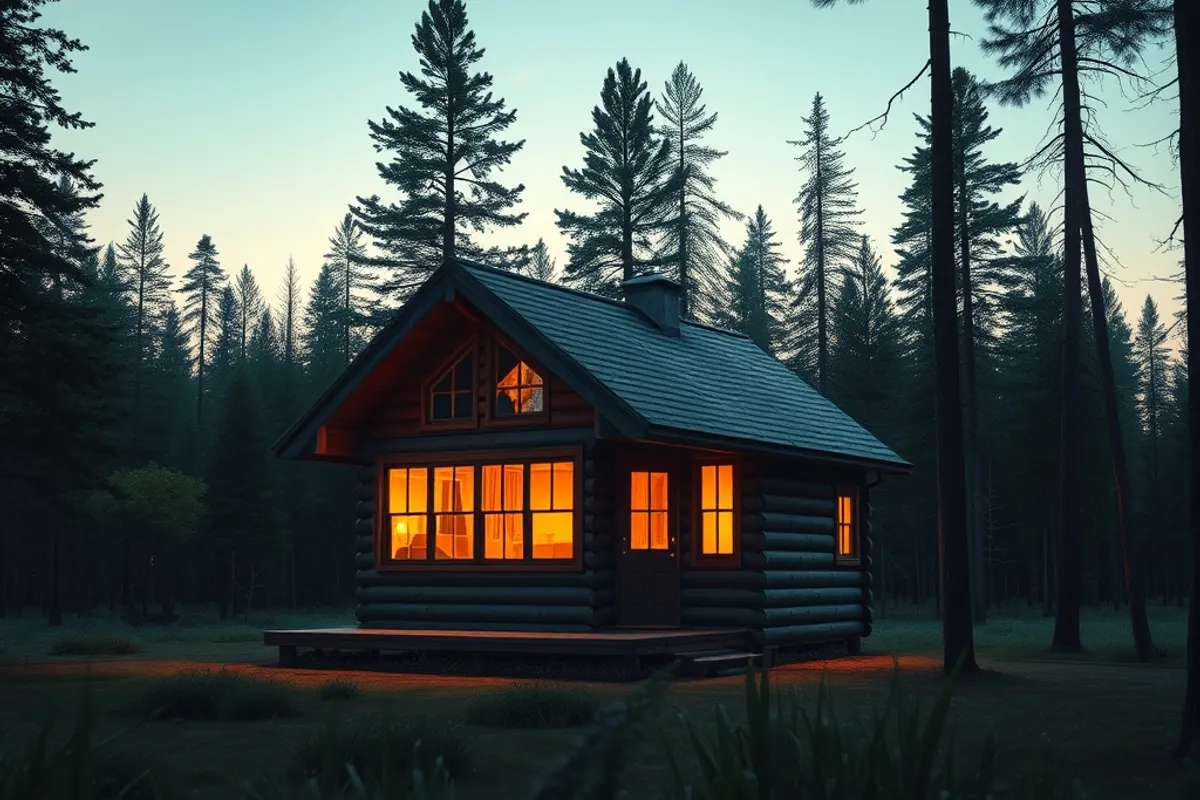
Off-grid is a promise about distance. Make sure it is not also a promise about cold water, no food and a road you cannot drive at night.
Key facts
- Ask about the last mile: road surface, gradient and lighting.
- Confirm heating, hot water and power sources in writing.
- Check the nearest food shop and whether dinner is available.
- Ask what the mobile signal is actually like, not whether there is Wi-Fi.
The last mile decides the trip
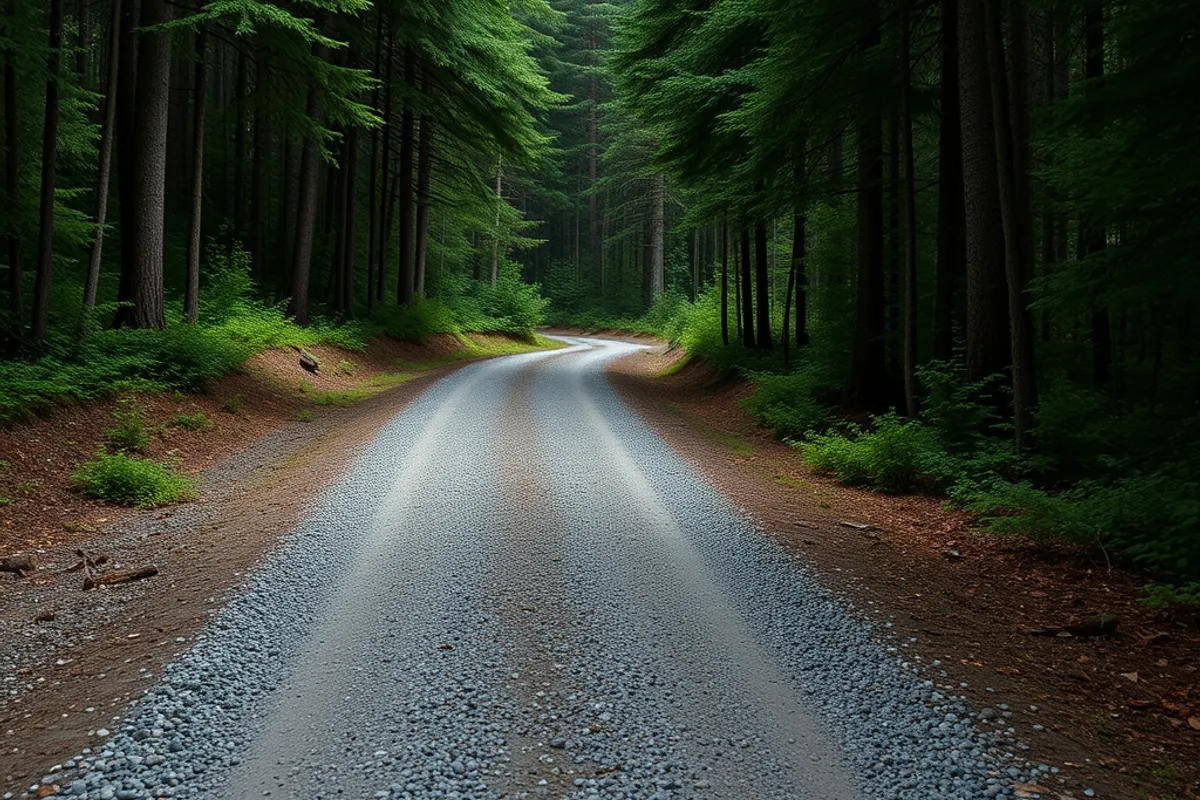
A retreat can be perfect and still ruined by the drive in. Ask about the road surface, the gradient, whether it is lit and whether a normal car can manage it. A gravel track is fine in summer and a problem after rain. If the host says "you will be fine", ask for the worst-case description.
Check the arrival window. Some remote properties have a gate that closes at dusk, or a host who meets you at a village car park. Confirm the meeting point and what happens if you are late.
Heat, power and water
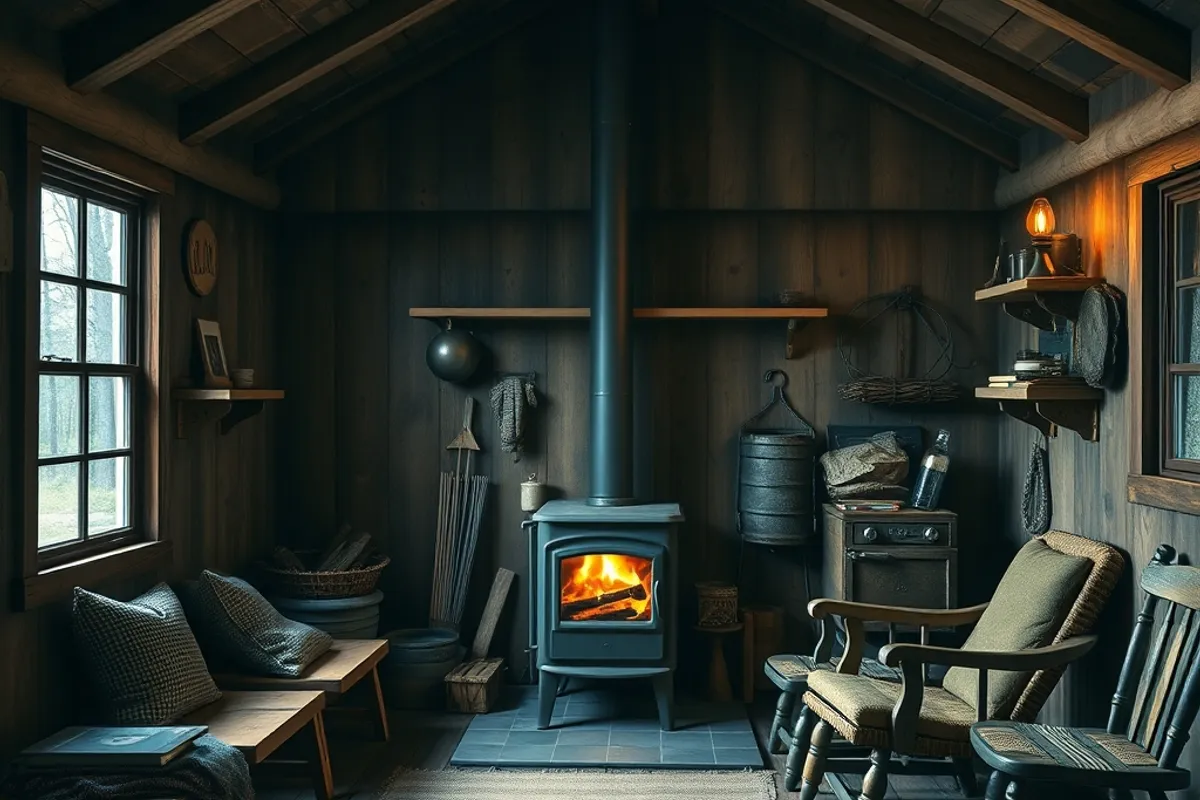
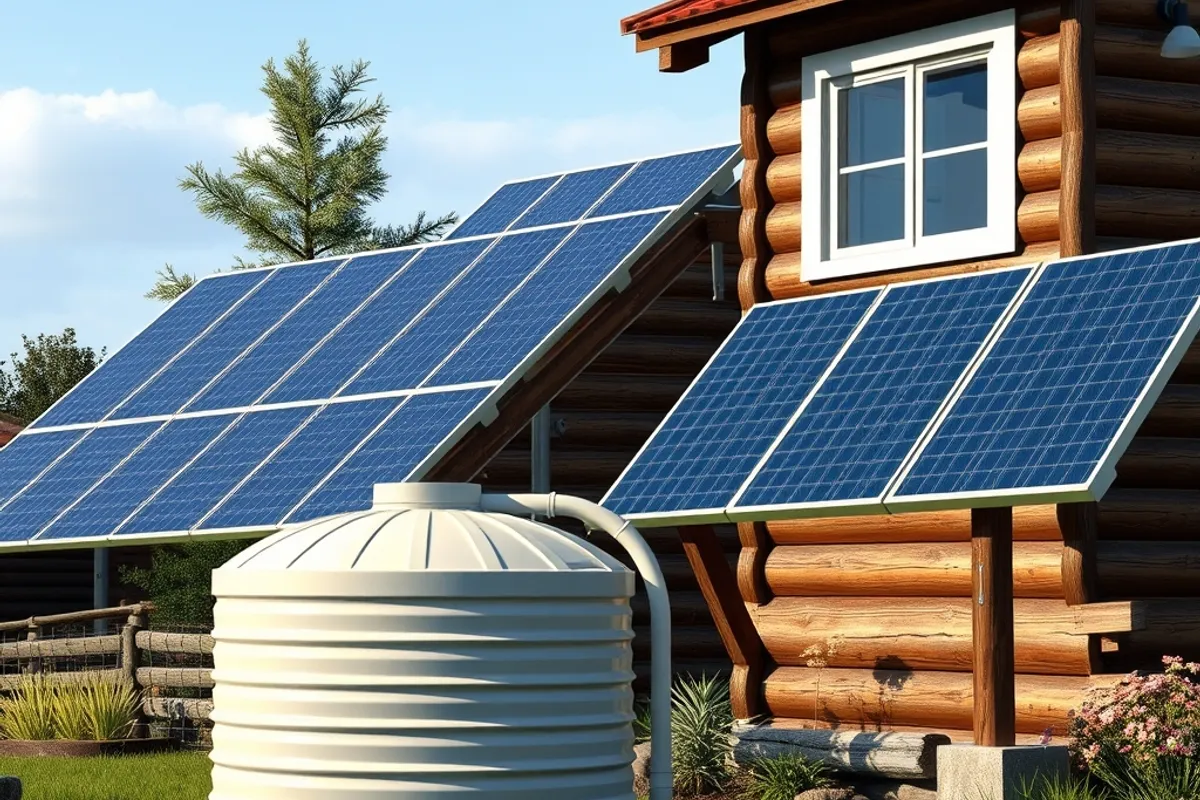
Off-grid does not mean uncomfortable, but it does mean systems. Ask how the cabin is heated, whether there is hot water on demand, and what happens if the solar battery runs low. A wood stove is lovely until you have to light it at midnight in the rain.
Ask whether drinking water is provided or filtered, and whether there is a backup supply. In remote areas, a tank can run low in a dry spell. If you are cooking, check whether the kitchen has the basics: oil, salt, matches and a working stove.
Food and the nearest shop
Find the nearest grocery before you book. A retreat that is forty minutes from a shop changes how you plan meals. Ask whether the host offers dinner, breakfast or a stocked fridge, and what it costs. A simple dinner on arrival is often worth the money after a long drive.
If you plan to cook, ask what cookware and fuel are provided. A cabin with a two-ring stove and one pan is not the place for a ambitious menu.
Quiet is the product. Cold water, a dark road and an empty fridge are not.
Signal, safety and weather
Ask about mobile signal by network, not a general yes or no. Wi-Fi may exist in the main lodge and not in the cabin. If you need to work, confirm the upload speed and whether power can run a laptop.
Check the weather plan. What happens in a storm, a power cut or a fallen tree on the access road? A good host has an answer and a contact number. Save it before you lose signal.
Match the retreat to the trip
If you want to hike, choose a place with trails from the door. If you want to do nothing, choose a place with a comfortable chair and a view. If you want to explore, choose a base within an hour of the things you came to see. Do not book a remote cabin and then spend the whole trip driving.
For the cabin-versus-lodge decision, read our forest lodge and cabin comparison. For budgets, our travel budget planning guide covers the costs people forget.
Written by Marcus Hale for Angila Zuhlke. Tips or corrections? Email [email protected].