Nature Retreats·Marcus Hale·
Forest Lodge vs Cabin 2026: Which Retreat Fits Your Trip
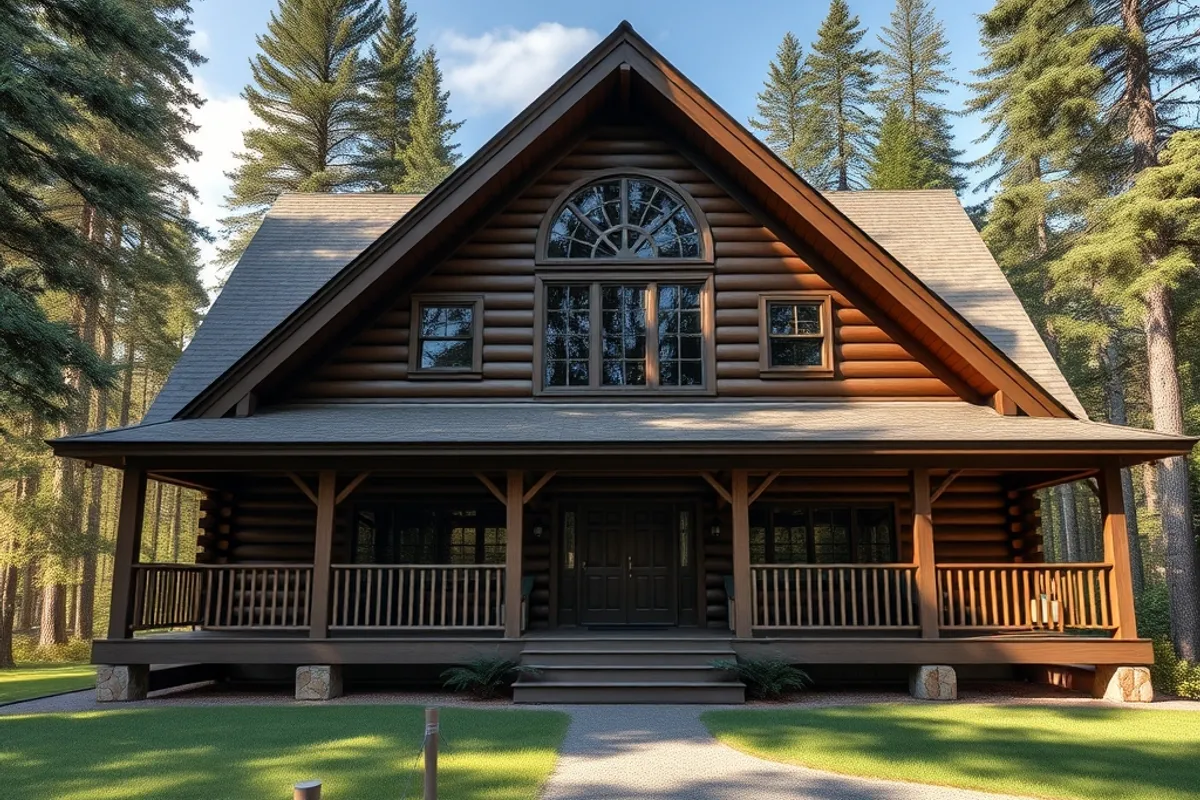
A lodge gives you a kitchen and company. A cabin gives you silence and chores. Pick the one that matches how you actually rest.
Key facts
- Lodges are easier without a car; cabins usually need one.
- A cabin means cooking, cleaning and managing heat or power.
- Lodges suit families and solo travellers; cabins suit couples and small groups.
- Check whether the cabin price includes firewood, cleaning and taxes.
Privacy versus company
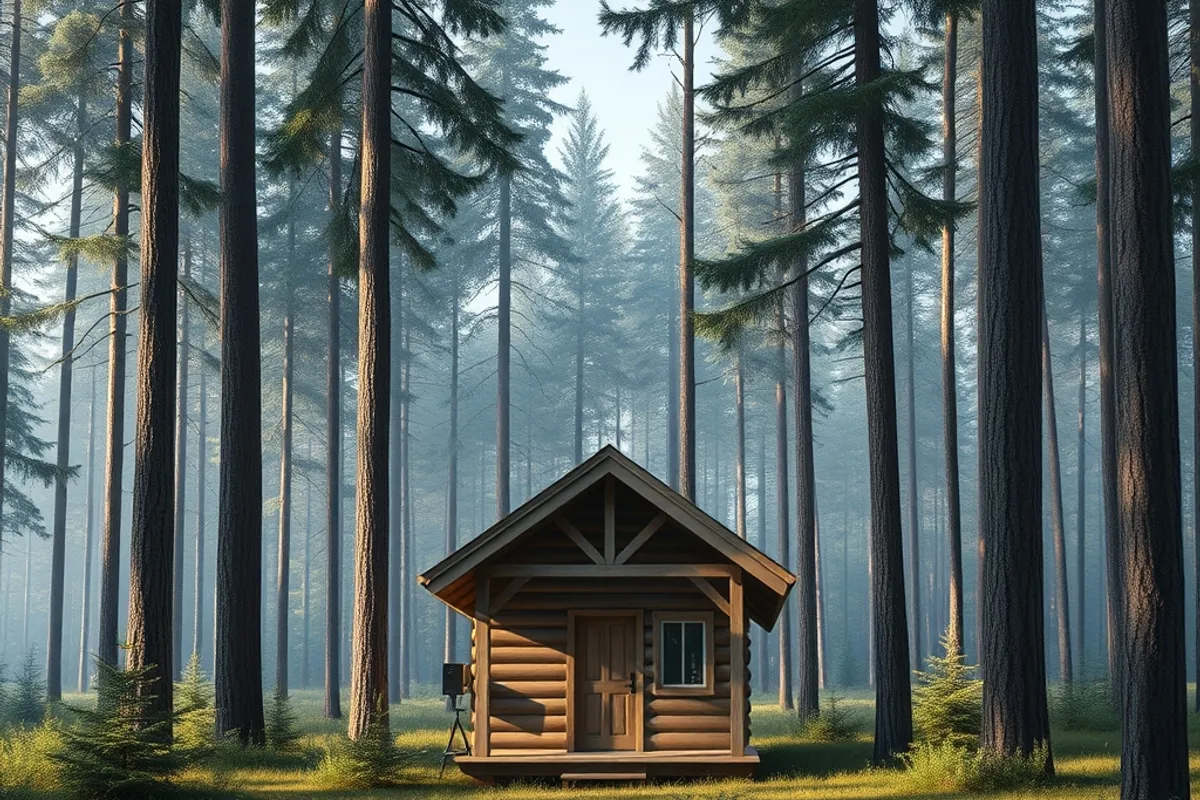
A cabin is private by definition. No shared walls, no breakfast room chat, no other guests on the trail. A lodge is social by design: a shared dining room, a fire, a bar and staff who know the area. If you want to disappear, a cabin is better. If you want optional company and someone else cooking, a lodge wins.
For couples, a cabin can be romantic or isolating, depending on how much you like each other and how long the trip is. For solo travellers, a lodge is usually easier; a remote cabin with no host nearby can feel exposed.
Chores and the real cost
A cabin looks cheaper until you add firewood, cleaning, groceries and the time spent managing the place. Ask whether the price includes firewood, linen, cleaning and taxes. Some cabins charge a cleaning fee that changes the per-night math.
A lodge bundles the chores into the rate. You pay more per night, but you do not spend the evening splitting kindling or driving to a shop. For a short trip, that convenience is often worth it.
Food and facilities
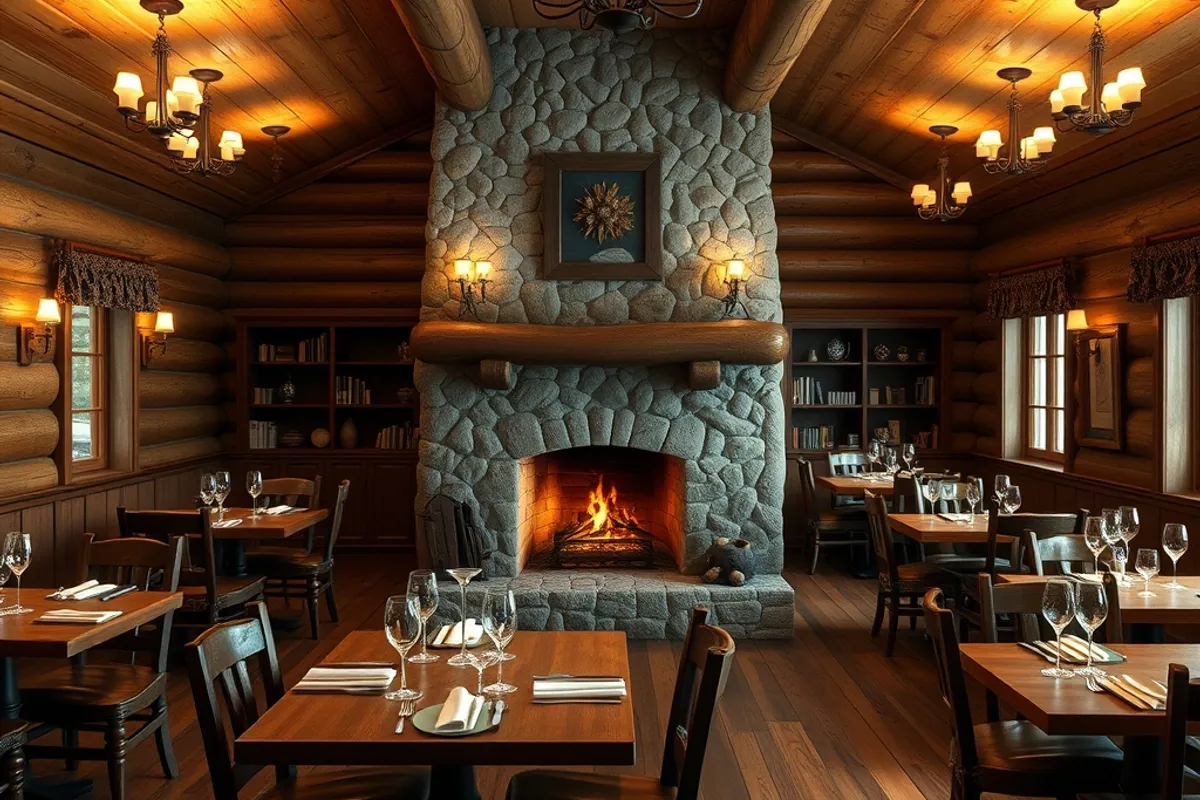
Lodges usually offer breakfast, dinner or both, sometimes with a set menu. Check whether the food is good and whether it changes; a week of the same menu is a long week. A cabin gives you freedom but also responsibility.
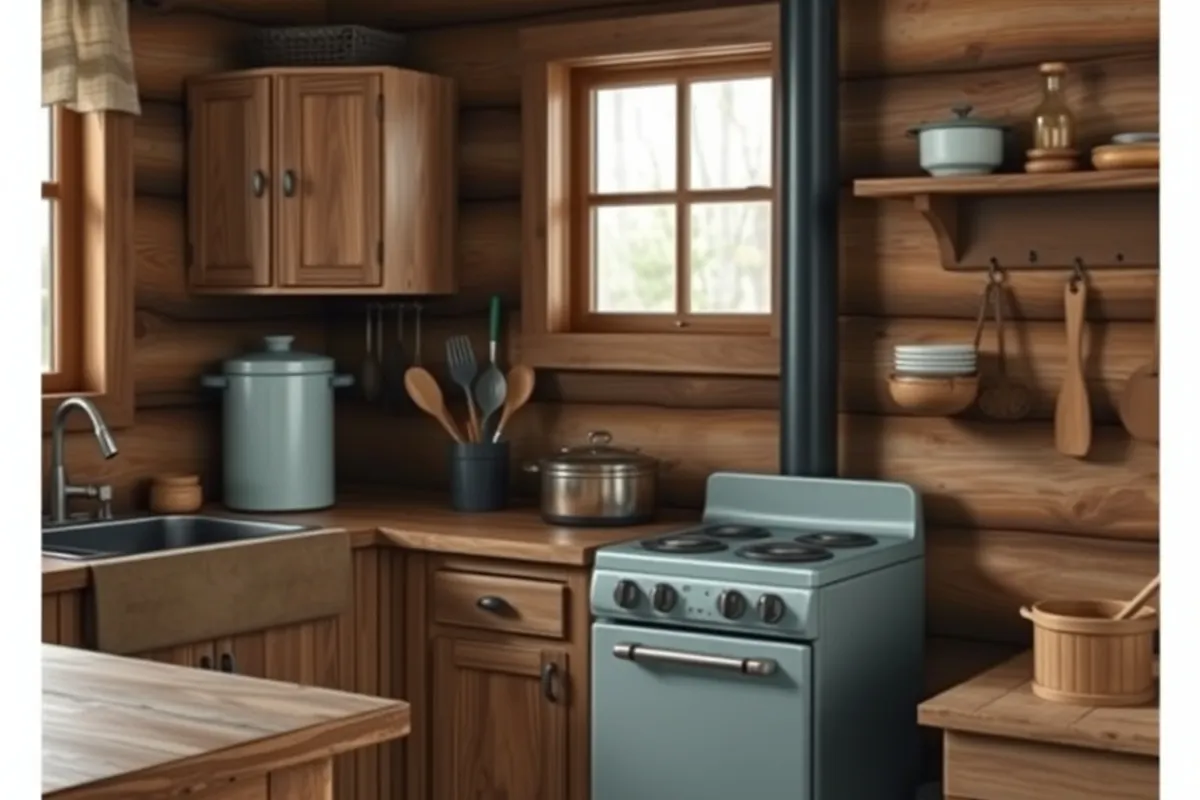
Ask about the kitchen in a cabin: stove, fridge, pans, oil, salt, coffee. A well-equipped kitchen is a pleasure; a single pan and no sharp knife is a test of a relationship.
A cabin is not automatically restful. Sometimes it is a second job with a nicer view.
Access and transport
Lodges are more likely to be reachable by public transport or a arranged transfer. Cabins often require a car, and the last road may be rough. If you are not confident driving in remote conditions, choose a lodge or a cabin with a transfer.
Check the distance to the nearest town and whether you need to arrive with supplies. In winter, ask about snow clearance and whether the road is maintained.
Families, couples and groups
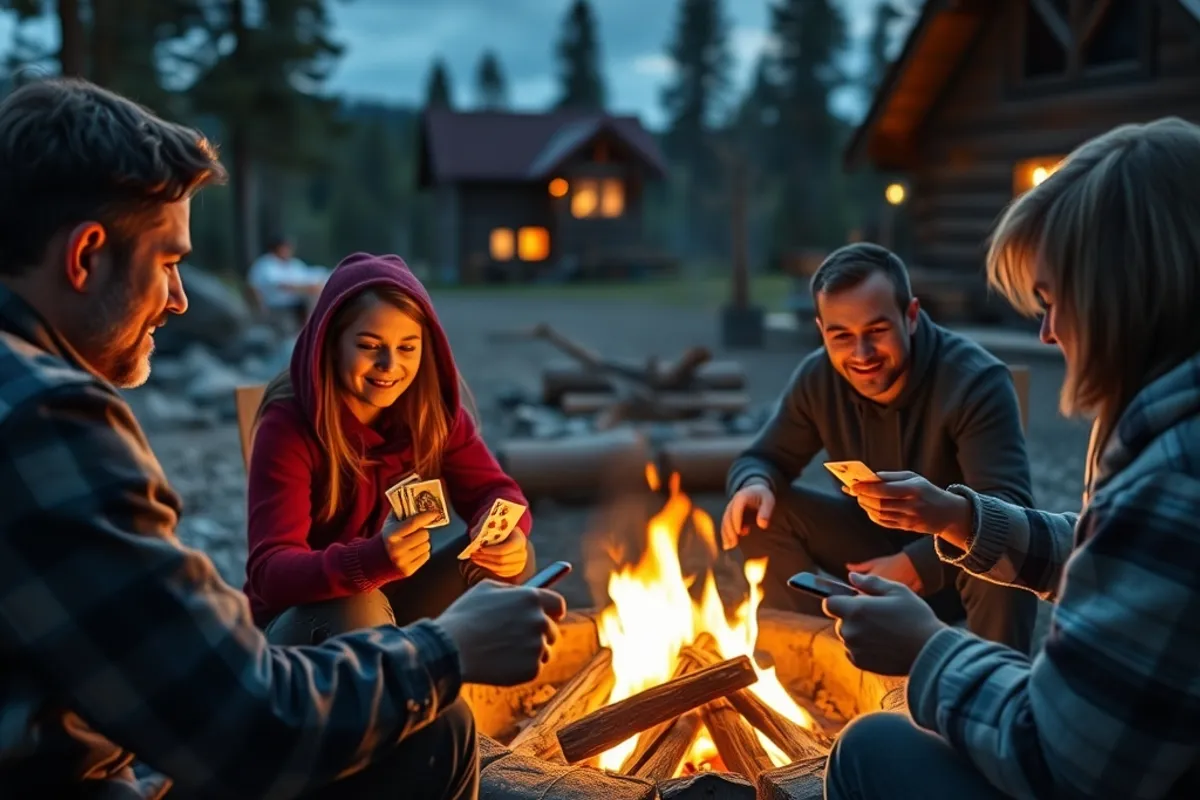
Families usually do better at a lodge: meals are handled, there are other children and staff nearby. Couples often prefer a cabin for privacy. Small groups can split a cabin cost and share the cooking, which can be good value and good fun if the group is compatible.
If you are booking a cabin with friends, agree on cooking and cleaning before you arrive. A shared cabin with unclear chores is a common source of friction.
A simple decision rule
Choose a lodge if you want food, company and fewer chores, or if you are travelling without a car. Choose a cabin if you want privacy, are happy to cook and can handle the access. Either way, confirm what is included before you pay.
For the practical setup, read our nature retreat planning guide. If you are planning a longer trip, our travel budget guide covers the hidden costs.
Written by Marcus Hale for Angila Zuhlke. Tips or corrections? Email [email protected].