Heritage Hotels·Elena Marsh·
Heritage Hotel Rooms 2026: Noise, Heat and Bathroom Checks
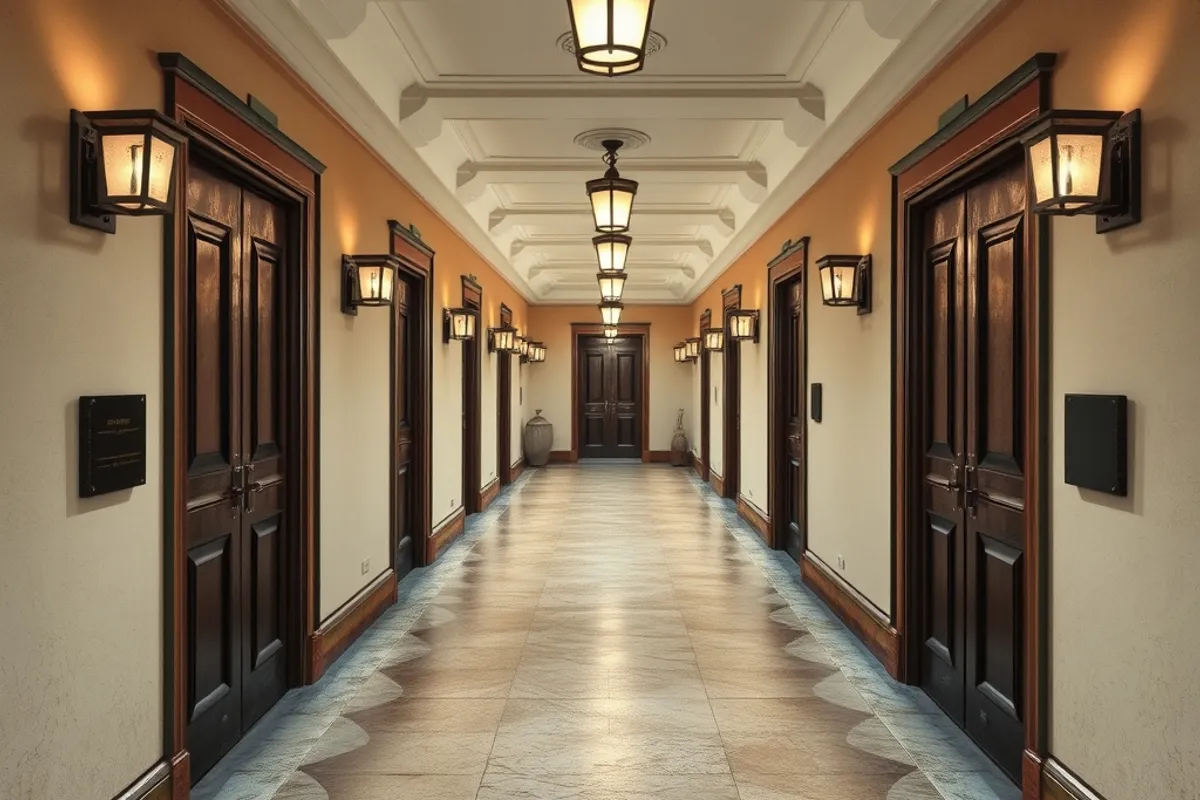
The room is the product. Use the floor plan, the reviews and three questions to avoid the beautiful room you cannot sleep in.
Key facts
- Ask for the floor plan; heritage rooms vary wildly in size and shape.
- Courtyard rooms are usually quieter than street rooms.
- Check whether the bathroom is ensuite and whether the shower is over a tub.
- Confirm the room has a window that opens and a way to darken it.
Read the floor plan before the photos
In a modern hotel, rooms of the same category are broadly similar. In a heritage hotel, they are not. One "standard double" may be a former servants' room with a low ceiling; another may be a corner room with two windows. Ask for a floor plan or a sketch and the exact room number if it is assigned.
If the hotel cannot tell you the room size, assume it is small. Photographs taken with a wide lens make a 12-square-metre room look generous.
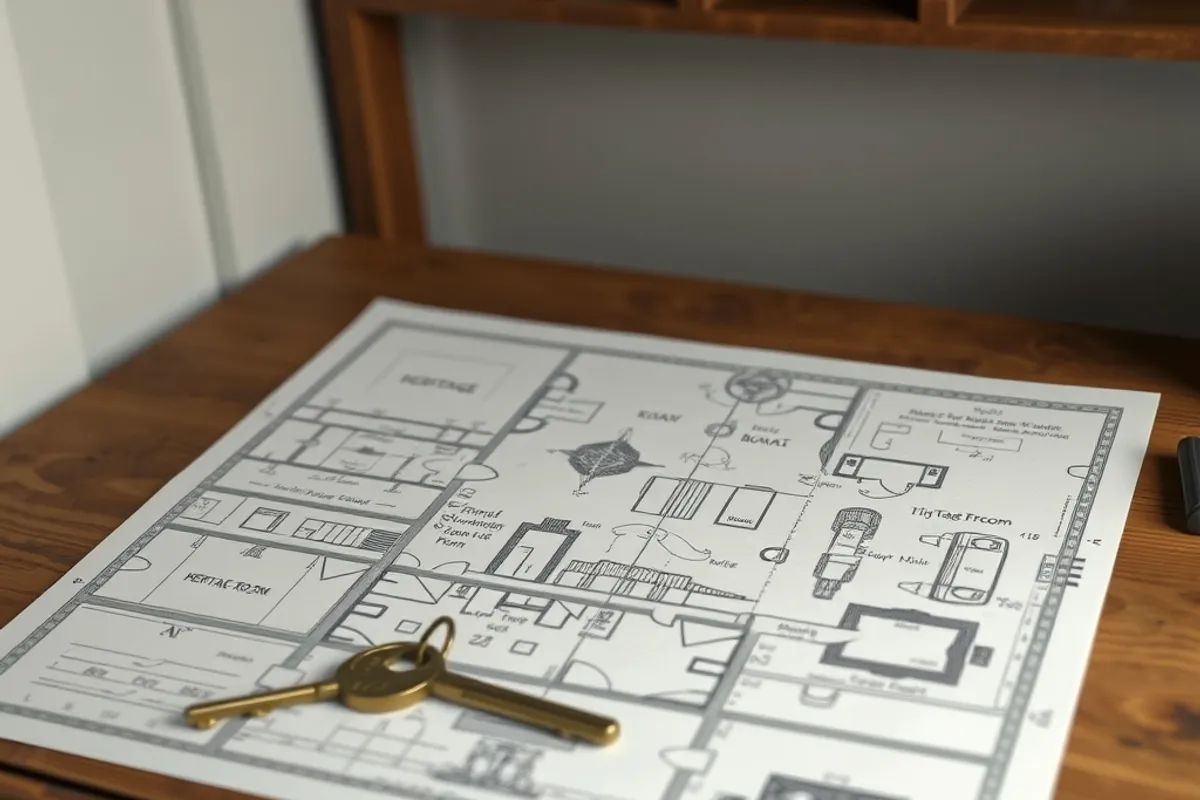
Judge the noise source
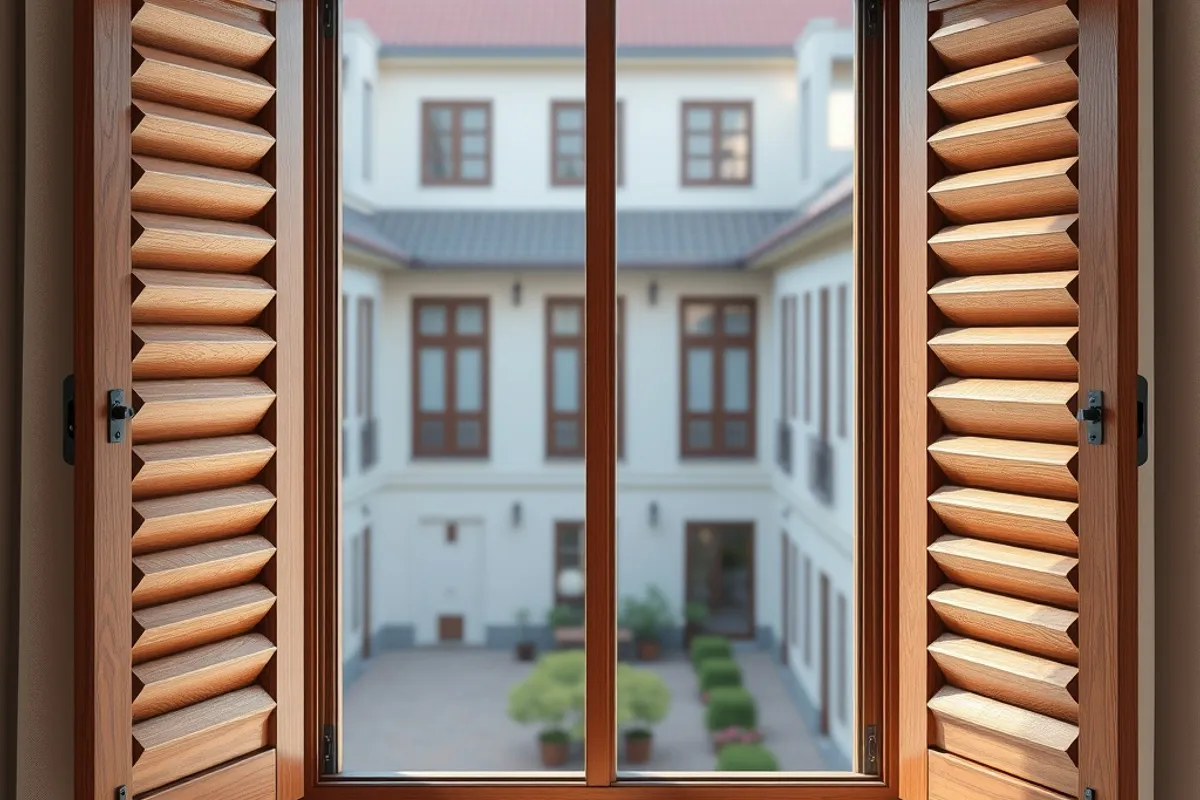
Look at the street on a map: a church, a school, a bar and a delivery route all make different noise at different hours. A room facing a pedestrian lane may be quieter than one facing a main road, but not if the lane has late bars. Check recent reviews for "noise", "street" and "thin walls".
Ask for a room at the back or on the courtyard. If the hotel cannot guarantee it, ask what the backup is. A good front desk will move you if a room is available.
Heat, cold and air
Confirm whether the room has air conditioning, a fan or neither. In older buildings, a fan may be the only cooling, and opening a window may let in noise. In winter, ask whether the heating is adjustable and whether it stays on overnight.
If you are sensitive to stuffiness, ask whether the window opens. Some heritage rooms have sealed windows for preservation, which can make a small room feel airless.
A beautiful room you cannot sleep in is an expensive mistake with good lighting.
Bathroom reality check
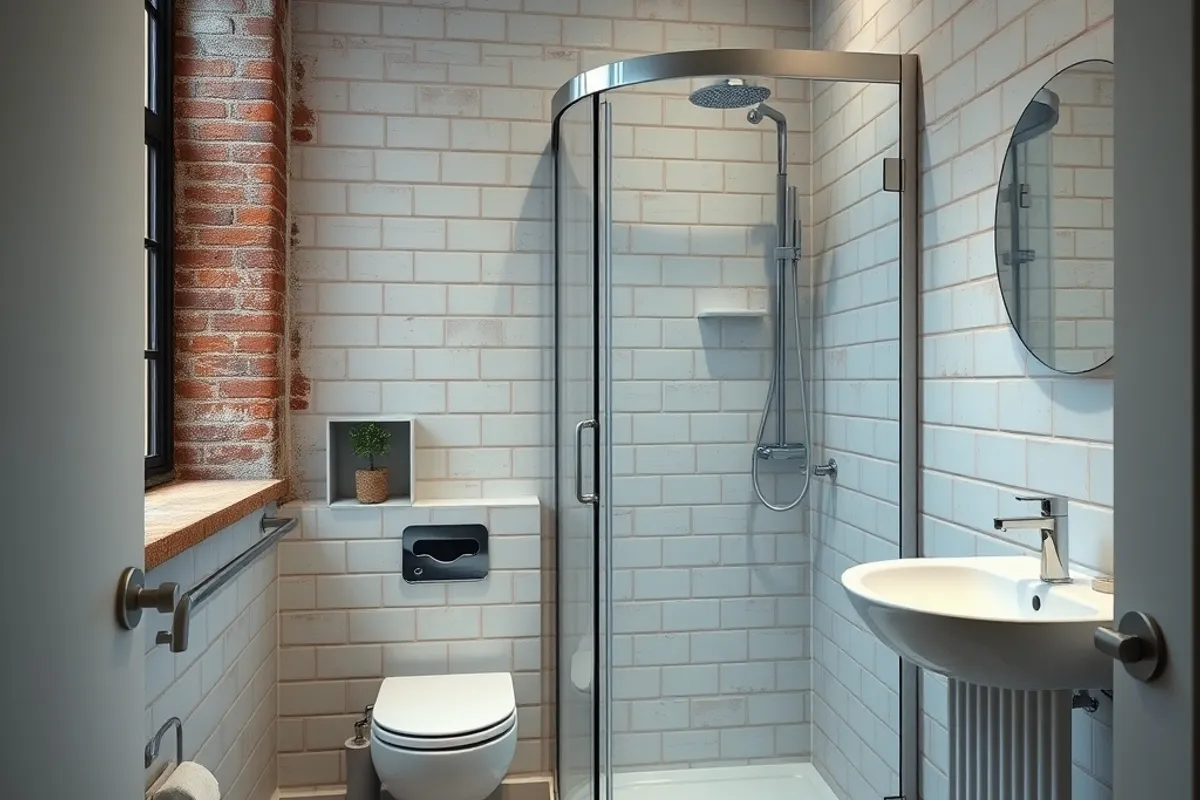
Ask whether the bathroom is ensuite or private but across the hall. Both exist in heritage properties, and the second is not always clear in the listing. Check whether the shower is a walk-in or over a tub; climbing into a deep tub can be awkward for some guests.
Look for water pressure and hot water mentions in reviews. In old buildings, both can be inconsistent. If the hotel has a spa or shared bathrooms, ask how many rooms share them.
Light, dark and sleep
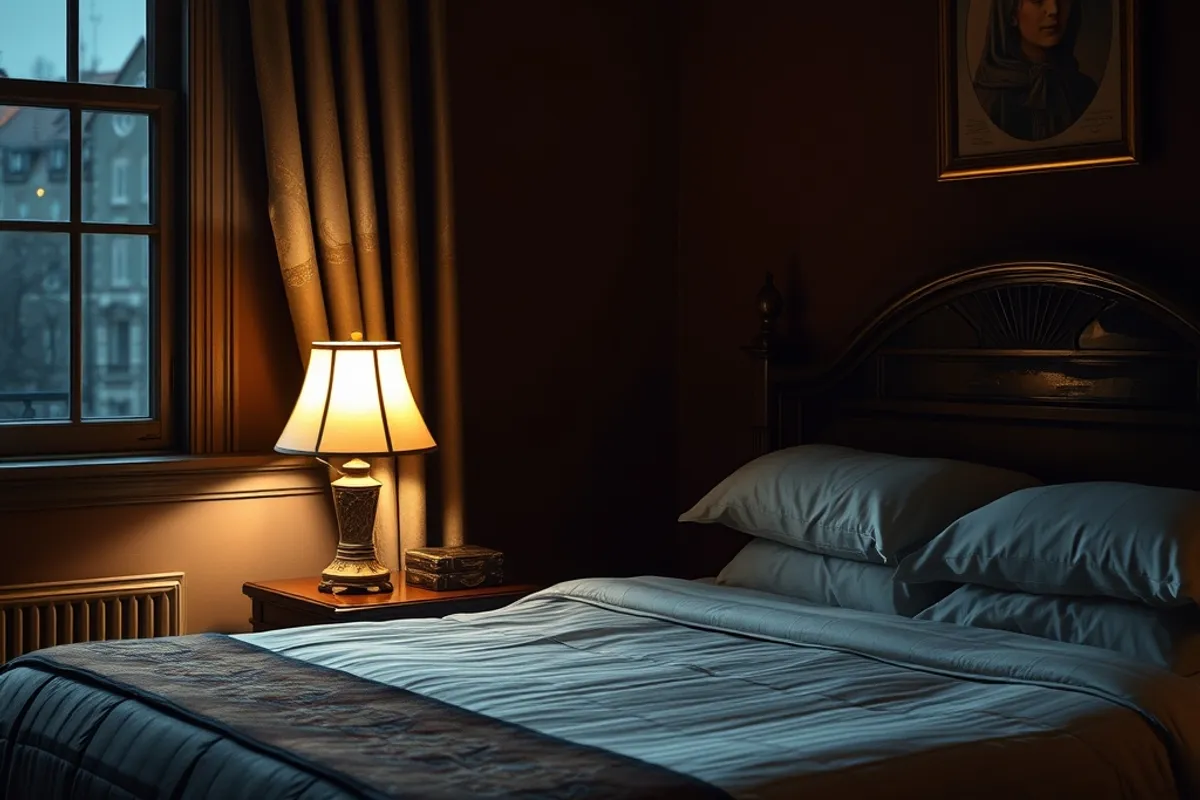
Check for blackout curtains or shutters. Heritage windows can be beautiful and leaky, and summer light arrives early. Ask whether the room has a bedside light and a reading lamp; period rooms sometimes prioritize mood over function.
If you need absolute darkness, pack an eye mask. It is lighter than a travel blackout blind and works in any room.
Three questions to send
One: what is the exact room size and is the bathroom ensuite? Two: is the room on the street or the courtyard, and is the heating or cooling adjustable? Three: is there a lift, and how many stairs to the room? The answers will tell you more than any gallery.
For the booking side, see our heritage hotel booking guide. If you are still deciding between old and new, read heritage versus modern hotels.
Written by Elena Marsh for Angila Zuhlke. Tips or corrections? Email [email protected].